Suhbah in the Rockies: Reflections from the Sohaib Sultan Chaplains Retreat
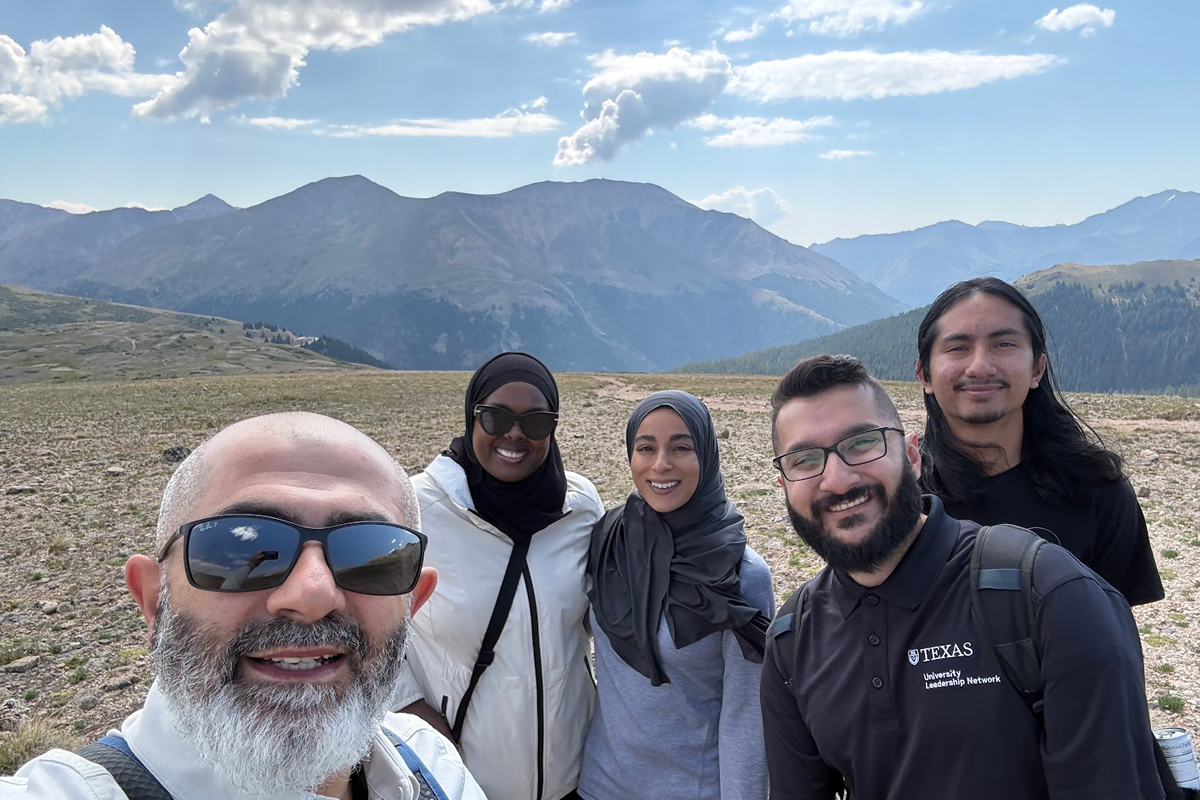
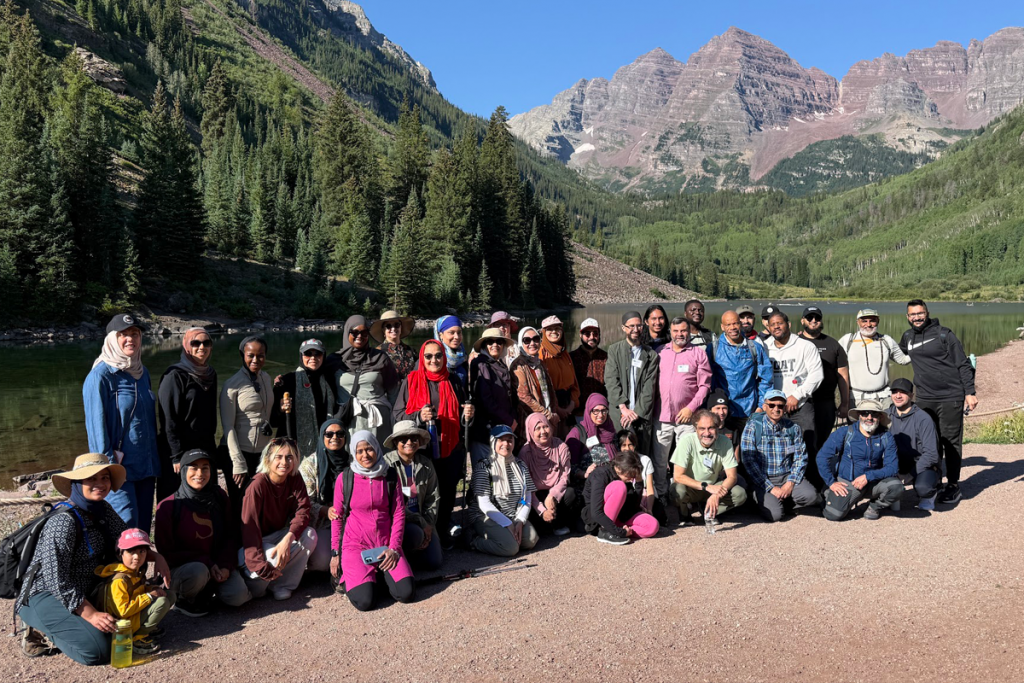
In Snowmass Village, Colorado, in a place where the mountain peaks let you witness the Divine attributes of Jalal (Majesty) and Jamal (Beauty) side by side, thirty-three chaplains and their families, fifty-six of us in all, spent nearly four days together. This was the 4th Annual Sohaib Sultan Suhbah Chaplains Retreat, organized by the Association of Muslim Chaplains (AMC).
Imam Sohaib Sultan served as Princeton University’s first full-time Muslim chaplain. In 2020, he was diagnosed with a rare bile duct cancer, and he spent what turned out to be the final stretch of his life still preaching, still writing, still walking alongside people. He passed away in 2021, on a Friday evening, with his family beside him and the Qur’an being recited in the room. I had listened to his final reflections and was moved by his faith, his trust in God, and the sheer love he carried for people. It is no accident that this retreat bears his name. He was the embodiment of what it means to live, and even to die, as a good chaplain: someone who lived for others, who kept a chair ready in his heart for everyone, and whose spirit continues to shape the soul of Muslim chaplaincy. The shade we sat under, in those mountains, was the legacy of a man who carried his name with the same grace in life as in death.
On the first evening, as we were getting to know one another, we began by reading his piece “Epilogue: We Are Not Competitors, We Are Companions,” the closing chapter of the book Mantle of Mercy: Islamic Chaplaincy in North America. It was so plainly written from an overflowing heart that every word, every sentence, made our hearts tremble and our eyes well up. Sultan wrote this epilogue knowing he had only months left to live, and he used that vantage point to leave his fellow chaplains a final piece of counsel: that the inner work of the heart matters more than any outward achievement, and that chaplains should see one another not as rivals competing for status, but as companions bound by a shared calling rather than by profession. He specifically urged the community to hold an annual retreat centered on reconnecting with the sacred and with each other, describing this culture of companionship, what he called suhbah in the Islamic tradition, as the very thing that would let chaplains trust one another and draw out the best in each other.
Suhbah is the sacred practice of spiritual companionship, where the company of the righteous quietly shapes the heart, refines one’s character, and draws the soul closer to the Creator. It is more than simply being together; it is a way of being together that softens the heart, deepens faith, and nurtures spiritual growth. And this retreat truly lived up to its name. We came from prisons, hospitals, university campuses, and local communities. Among us were seasoned CPE supervisors and chaplaincy educators, as well as chaplains who had only stepped into the field a few years earlier. We came from different generations, different schools of thought, different nationalities, different life experiences. I won’t list our differences one by one, not because they didn’t matter, but because they became our quiet strength. What struck me most was how quickly those differences dissolved into something deeper: a shared language of service, a shared exhaustion, and a shared love for the people we accompany. It is a rare thing to sit in a room where a hospice chaplain, a psychiatric chaplain, and a chaplain from a maximum-security prison can finish each other’s sentences, not because our working environments resemble one another, but because the weight we carry, the compassion, the devotion to serving, all look alike.
The Rhythm of the Days
The retreat’s schedule was itself a quiet lesson in spiritual pacing. Every day began before the sky had any light in it; qiyam called at four in the morning, well before Fajr. The Prophet ﷺ once named four things that would carry believers into Paradise in peace: “O people, spread peace, feed others, maintain the ties of relationship, and pray at night while people are sleeping: you shall enter Paradise in peace.” Significantly, these were among his first words to the people of Madinah upon his migration there, a city where people of different faiths and understandings lived side by side, and where he addressed them all, simply, as “people.” In that same spirit, this retreat quietly showed us, chaplains, how to serve within our own multicultural world.
Of the four things he named, three (spreading peace, feeding others, maintaining our ties and relationships) belong to the realm of human connection and social life. The fourth, praying at night while others sleep, points somewhere else entirely. Those first three good deeds matter greatly, and yet what gives them their true worth is the sincerity behind them, and there is no clearer ground for testing whether that sincerity exists than a prayer rug spread out in the dark of night. This last instruction turns us inward, toward our own contact with the Divine, a quiet reminder of the principle of being rather than merely appearing. That is precisely why the pre-dawn hour of this retreat carried such weight; it was, in its own way, training in this very practice. In the thin mountain air, with the stars not yet faded from the sky, chaplains rose from their beds and folded themselves into prostration. Hands that spend their days carrying the grief of others opened, in the darkest hour of the night, to their own Lord.
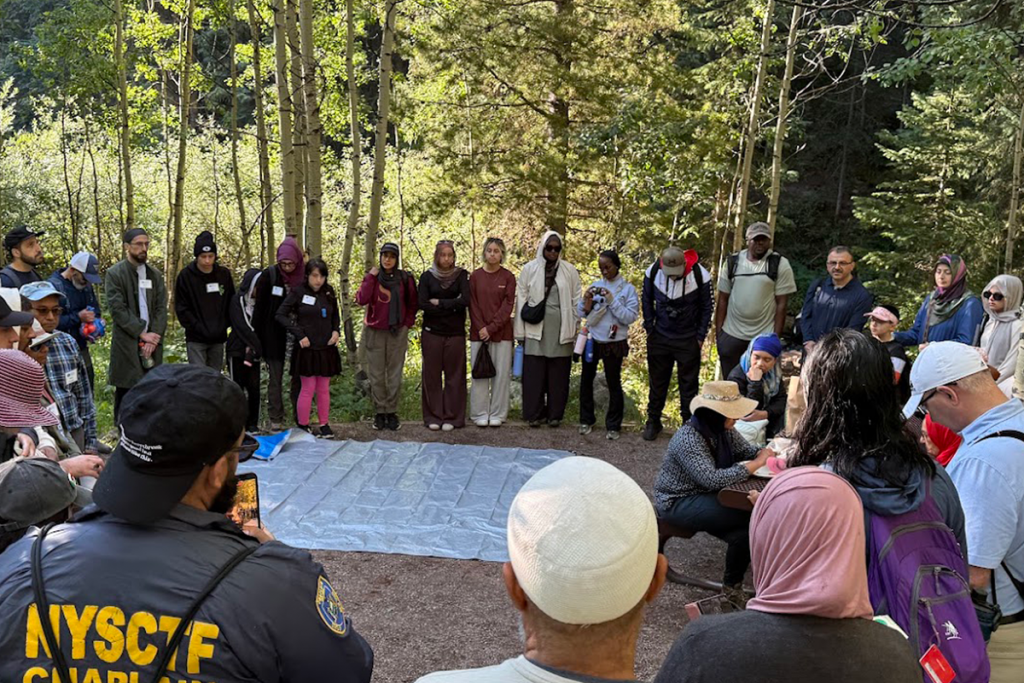
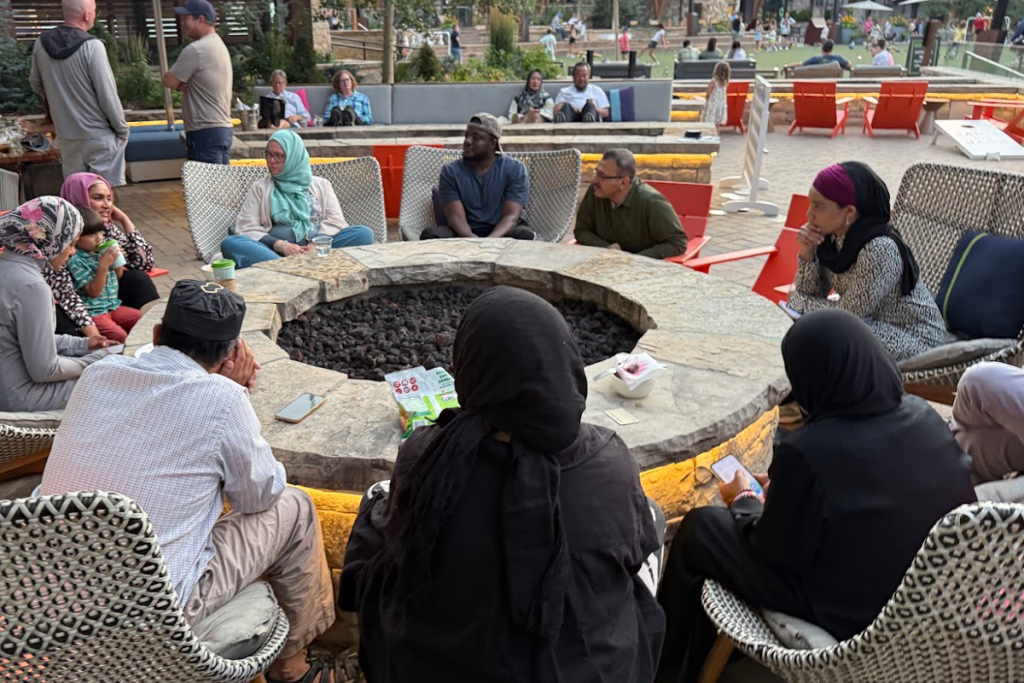
The day continued with the first light carrying us out to places like Maroon Bells and Twin Lakes, wonders of creation that invited us to contemplate the cosmic signs of al-Musawwir (the Fashioner of Form) and sit with them in reflection. There was space for a picnic at the foot of a scenic trail, a quiet walk to Crater Lake for those who wished, or simply a bench by the lake for anyone seeking stillness. Nothing was mandatory. That single design choice communicated something chaplains rarely hear: your presence is welcome, but your rest is not negotiable. Each evening closed with Maghrib and Isha prayers, meaningful conversations, tea, and moments of fellowship. The Cohort Circles, where each of us could speak openly about the particular griefs of our own field of service, and the “Choose Your Own Adventure” sessions, where we could explore the intersection of Islam and chaplaincy, sit with an intellectual exercise, or simply fall into easy conversation with old and new friends, honored a truth our institutions too often forget: We cannot continue offering ourselves when our own souls have gone untended.
One of the moments that touched my soul the most was when we broke into groups of six or seven around a table and told each other the life stories that had led us into chaplaincy. Listening to each of my friends, I was so moved, so nourished. Someone served in a prison, someone on a campus, someone in a hospital, another with Veterans Affairs; people full of love for humanity, compassion, and a longing for God’s pleasure (ridha). It was beautiful to see how Allah (subhanahu wa ta’ala) had placed each of us exactly where our own nature fit. It reminded me, deeply, that what matters is not where we serve, but the sincerity and effort we bring to it.
Self-Care Is Not Only an Individual Project
One thing chaplains have in common is how emotionally exhausted we get. This, once again, laid bare the importance of self-care: bodily, mentally, emotionally, and spiritually. And the retreat itself became an opportunity in this regard, because caring for the self is not merely a solitary discipline; it is also nurtured through righteous companionship. There is a rest found in being among people who understand, without needing it explained, why a six-hour bedside vigil can leave you hollowed out from the inside, or why a single conversation with someone you know in prison can stay lodged in your mind for weeks. Being among chaplains who ask “How are you, really?” and wait for the real answer is a kind of spiritual nourishment that no amount of solitary self-reflection can replace.
The closing and farewell program became unforgettable. On the last night, after Isha, many of our friends took the floor, one after another, to share what was in their hearts. Some recited Qur’an, some sang hymns (nasheeds), some made us laugh. We laughed, and we cried. It felt as though we had been friends for years, not three or four days. Holding hands one last time before heading back to the airport, praying together, telling each other “I’ll miss you,” and the tearful embraces: these were exactly the scenes that brought tears to our eyes.
Gratitude
To Zakia Haque, Nadeem Siddiqi, Jaye Starr, the planning committee, and the AMC staff: thank you. Most of us, for the first time, climbed and descended a steep 3.5-mile mountain trail under Brother Nadeem’s guidance. Our bodies grew tired, but our hearts and souls breathed. From the dawn prayers to the closing supplication, from the dinners at Little Elk Lodge to the quiet space
given to those who simply needed to be alone in nature, the care in every detail was unmistakable. The prayers themselves carried a special beauty as different brothers took turns leading the salah, each bringing his own voice and spiritual presence to the recitation of the Qur’an, sometimes echoing the depth and resonance characteristic of various African recitation traditions, and at other times recalling the moving style of the imams of Makkah. My thanks to all the sponsors, including Hartford International University for Religion and Peace, where I have the honor of teaching, for standing behind a gathering that so tangibly sustains the people who carry out this sacred work. And to Sohaib Sultan, whose vision of chaplaincy (rigorous, compassionate, and rooted in true companionship) still shapes the shade we sit under today: may Allah have mercy on him.
This retreat stirred beautiful feelings in my soul, not because it added something new to my practice, but because it gently returned me to a truth I already knew and far too easily forget: chaplaincy cannot be sustained as a solitary act of devotion. It is sustained through suhbah, through companionship that renews the body, steadies the heart, and continually turns the soul back toward Allah (SWT). Truly, suhbah is not a luxury for chaplains; it is one of the ways al-Rahman sustains those who spend their lives caring for others.
May al-Latīf (the Most Gentle, whose subtle kindness reaches all things) bless the organizers, the sponsors, and every chaplain carrying this work forward, whether under AMC or any other institution. I believe, without a doubt, that everyone in this field needs a retreat like this. And inshaallah, I hope to meet again next year, whether on a mountainside or by the shore, in that same spiritual atmosphere.