
Closest to Heaven: Six Years of Interfaith Life at 72 Sherman
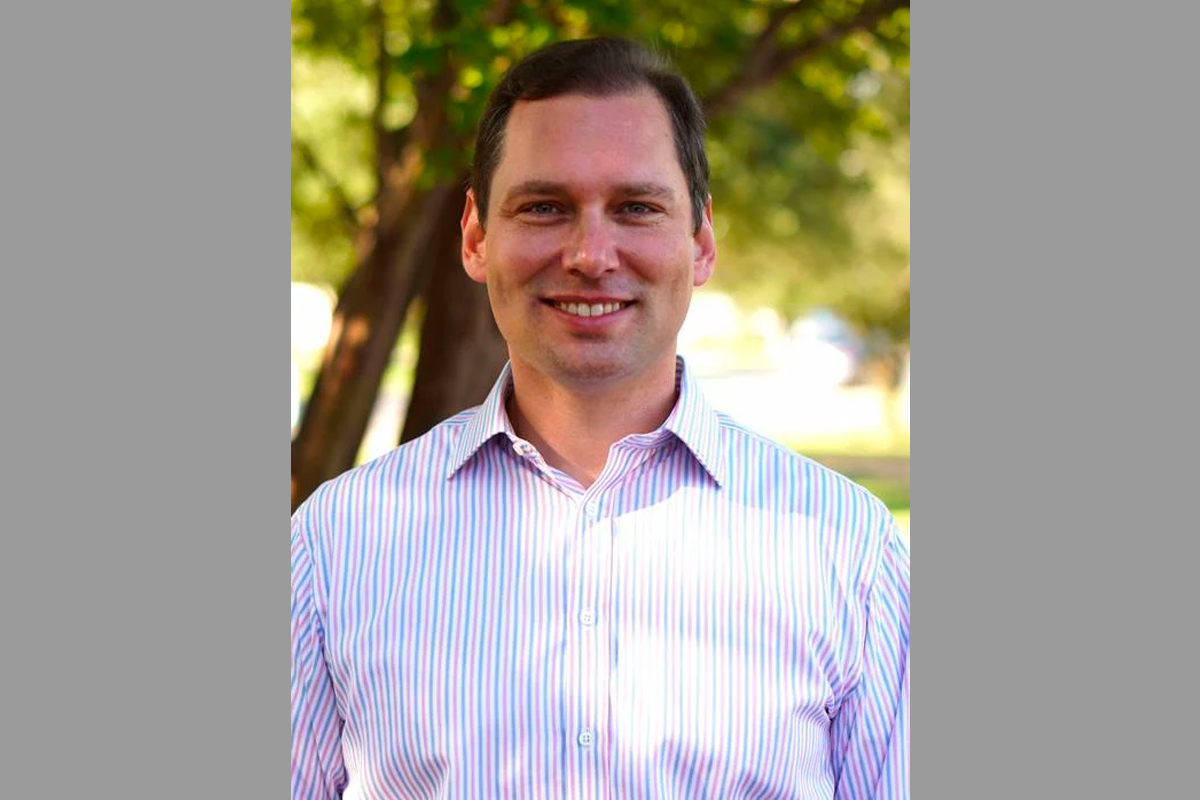
For six years, my wife Virginia and I — along with our dog Paisley — lived in our apartment on the third floor of a house on Sherman Street, one of three separate apartments in the old Victorian house appropriately named the Ecumenical House. Below us, on the second floor, was Yehezkel Landau, a dual American and Israeli citizen, a scholar and peacebuilder whose life had been devoted to bridging the very divides that make headlines every day. And on the first floor lived Dr. Mahmoud Ayoub, a Lebanese-born towering figure in Islamic studies and Christian – Muslim relations, and his gracious Indonesian wife Lina.
Dr. Ayoub used to joke that the arrangement proved something theological: the Christians, he’d say with a grin, were clearly closest to heaven. It was the kind of joke that could only land the way it did because we already trusted each other enough to laugh about our differences instead of tiptoeing around them. That, in a lot of ways, is the whole story of 72 Sherman.
Learning to Drink Coffee Black
I want to start with coffee, because it’s the story that still makes me laugh with affectionate embarrassment.
Dr. Ayoub would almost daily invite me down for Arabic coffee — small cups, strong and unsweetened, poured with real ceremony. He drank his black, so I drank mine black too, agreeing along like a man who had always taken his coffee this way. Weeks turned into months. I never asked for cream or sugar, mostly out of fear that doing so would somehow reveal me as an uncultured guest who didn’t understand the custom.
This went on for more than six months. Six months of black coffee, silently wondering how folks could enjoy this bitter beverage, too polite (or too proud) to ask. Then one afternoon another guest — an Arab friend of the Ayoubs — reached for the cream without a second thought. No one paid any attention to it. The world did not end. I nearly laughed out loud at myself. All that anxious performance, and it turned out cream was simply… fine. Nobody was grading me, not on my coffee habits anyway. I had just been too busy trying to be polite to actually ask a question.
If there’s a metaphor buried in a small coffee cup, it might be this one: so much of interfaith life is quietly assuming the rules are stricter than they are, when usually your neighbors just want you to sit down and drink coffee with them, cream or no cream.
Buying Up the Chametz
Every spring, before Passover, Yehezkel would sell me his chametz — the leavened bread and grain products a Jewish household clears out before the holiday. This is Mechirat Chametz, a real and old halakhic practice, and Yehezkel walked me through it patiently: I would formally purchase his chametz for a nominal sum (a quarter), hold it “in trust” for the week, and sell it back to him once Passover ended.
I’ll admit that the first year, I felt a little like I’d been handed a piece of someone else’s sacred furniture and told not to break it. It was also a little ironic given our apartment was gluten free due to Virginia having celiac disease. But by the third or fourth spring, it had become one of my favorite small rituals of the year — a reminder that faith isn’t only lived out in grand gestures, but in these small, precise, almost administrative acts of care people take to honor what they believe.
Sukkot on the Fire Escape
Every fall, Yehezkel would build a sukkah — the temporary, open-roofed hut that observant Jews construct for the harvest festival of Sukkot — and his chosen location was, delightfully, the small fire escape platform that our two back doors shared, his on the second floor and ours on the third. It was small, a little rickety, and absolutely not up to any modern building code I’m aware of. We would squeeze out there together and eat a meal under a makeshift roof while hovering a floor above the back yard.
There is something wonderfully absurd and wonderfully holy about eating a ceremonial meal on a fire escape. It was cramped. The wind never cooperated. And it remains one of the most memorable dinner tables I have ever sat at.
Kitchens Without Borders
Virginia and I learned kosher and halal cooking practices quickly, mostly through gentle correction from our neighbors — the separate dishes, the careful sourcing, the questions we learned to ask before we cooked for our neighbors rather than after.
Thanksgiving became the clearest expression of what our house actually was. The table held turkey and mashed potatoes, yes, but also samosas and Lina’s rendang, carrying the flavors of her native Indonesia into our very American holiday. Nobody was performing tolerance. We just liked good food, and it turned out that “traditional Thanksgiving” was flexible enough to hold Indonesian beef rendang alongside corn pudding without either one apologizing for the other.
One Christmas, Lina came upstairs with a request: could we lend her a large pot? She wanted to cook us an Indonesian curry as her present that year, and as far as she was concerned that settled the matter — no wrapping paper required. A day or two later the pot came back up full, and it’s still one of the best Christmas presents the three of us ever exchanged. No box to open. Just curry, and the smell of it filling the stairwell on the way up.
Easter Dinner and Iftar
The hospitality didn’t only flow in one direction. Virginia and I hosted Easter dinners, and our neighbors would come celebrate with us — gathering around our small dining table for whatever we’d managed to fit in the oven. It became its own small tradition: the same neighbors who’d taught us about chametz and sukkot; now sitting around our table.
During Ramadan, the hospitality flowed back downstairs. The Ayoubs hosted iftar dinners to break the day’s fast, and their table was as generous as their patience with my coffee habits — dates first, then a spread that made the wait worth it, with Dr. Ayoub presiding over the meal with the same warmth and humor he brought to everything else. Sitting down together at sunset, observing the day’s fast end in that kind of abundance, taught me more about Ramadan than any book I’d read before moving to Hartford.
What the House Taught Me
I think about 72 Sherman often, especially now, working in a field devoted to interfaith understanding. It would be easy to make that work sound abstract — dialogue, cooperation, mutual respect. But what I actually remember is a lot more physical and specific: black coffee, fire-escape sukkot, chametz contracts, a borrowed pot for curry, and a running joke about vertical proximity to heaven.
Loving your neighbor, it turns out, mostly happens in these unglamorous, granular ways — learning which dishes go where, laughing at yourself for six months of unnecessary anxiety over cream (I still drink it black; the taste grew on me), climbing out a window because that’s where the meal is happening this year. HIU’s vision of interfaith engagement isn’t just a mission statement to me. It’s a house on Sherman Street, three families, one dog, and a dining table that somehow always had room for one more tradition.
Dr. Ayoub’s joke was that the Christians were closest to heaven, floor-wise. But if heaven has an address, I don’t think it’s upstairs or down — it never seemed to care much about floors, or which faith held the lease. In that house it showed up wherever people were: in the coffee, the chametz, the sukkah, the curry, in the breaking of bread together.