
Centering Women and Girls in Peace building and Atrocity Prevention
Lessons from Sudan and the Global Movement for Inclusive Peace
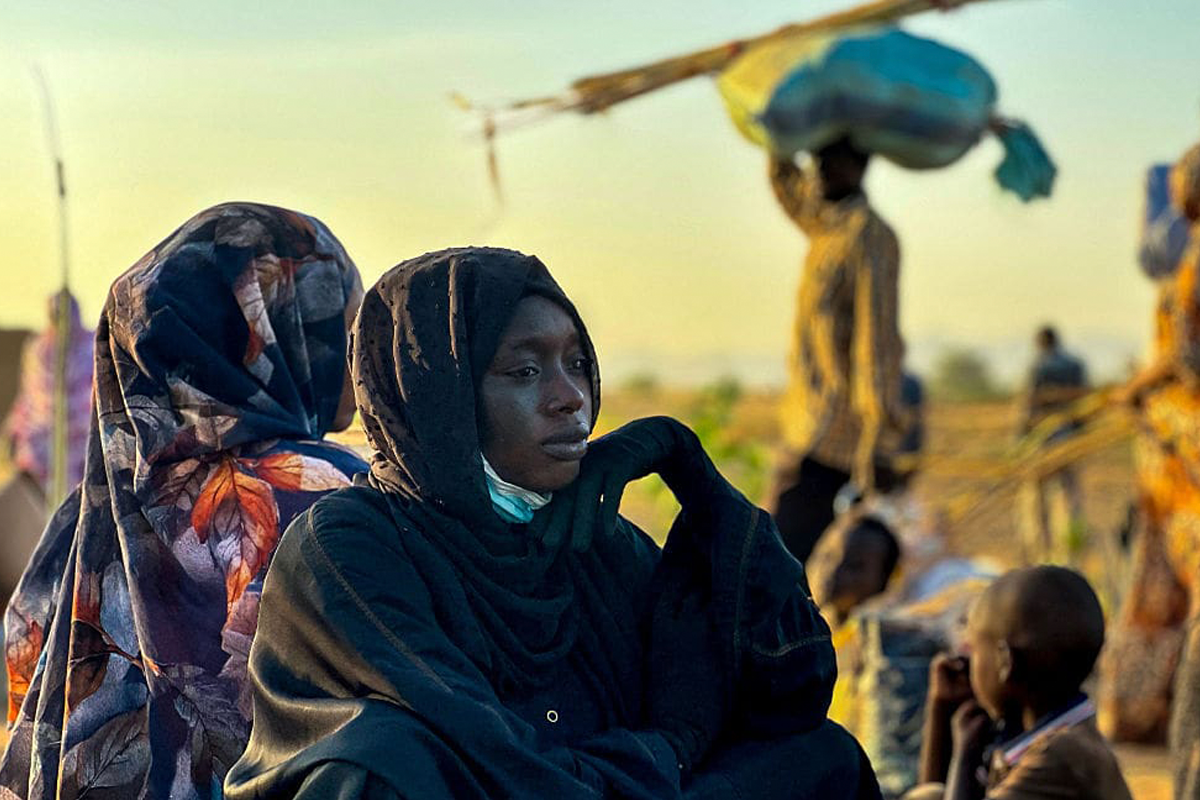
The conflict in Sudan has become a devastating reminder that wars are not only fought on battlefields; they are experienced in homes, communities, and the daily lives of civilians. As violence continues to escalate, millions of people face displacement, insecurity, and the loss of basic rights and protections. Among those most affected are women and girls, who face disproportionate risks of gender-based violence, forced displacement, economic hardship, and exclusion from decisions that shape their futures.
Across many conflict-affected communities, women and girls often represent a significant portion of displaced populations while simultaneously carrying the responsibility of sustaining families, preserving community networks, and supporting recovery efforts amid instability. Their experiences reveal the human impact of conflict and provide critical insight into the root causes of violence and pathways toward peace. Yet, despite their central role in survival and resilience, women and girls are frequently treated as victims of conflict rather than recognized as leaders, peace builders, and agents of change.
The exclusion of women and girls from peace and security processes has lasting consequences. When their voices are absent from negotiations, humanitarian planning, and reconstruction efforts, responses to conflict often fail to address the realities faced by entire communities. Sustainable peace cannot be achieved when half of the population is left outside conversations about justice, reconciliation, and recovery.
As a recent alum in International Peace building at Hartford International University, I continue to reflect on an important question: What would peace building look like if the protection, dignity, and inclusion of women and girls were treated as foundations of sustainable peace rather than responses after violence occurs?
Peace building is not only the process of ending conflict; it is also the long-term work of transforming the social, political, and economic conditions that allow harm and division to continue. It requires addressing inequalities, strengthening relationships across communities, and creating systems where individuals can participate meaningfully in shaping their societies.
Centering women and girls in peace building means more than ensuring their presence in conversations. It requires recognizing their expertise, listening to their lived experiences, and creating opportunities for them to influence decisions about peace, security, and development. Women’s participation in peace processes has demonstrated that inclusive approaches can strengthen reconciliation efforts and contribute to more durable outcomes.
Atrocity prevention also depends on recognizing early warning signs and understanding how violence affects different groups within society. The experiences of women and girls can provide important indicators of rising tensions, human rights abuses, and patterns of exclusion that may contribute to broader instability. Protecting their rights and empowering their leadership are therefore essential components of preventing future atrocities.
The situation in Sudan calls for renewed commitment from governments, humanitarian organizations, faith communities, and peace building practitioners to ensure that women and girls are not only protected from violence but also empowered to shape solutions. Their resilience, knowledge, and leadership are indispensable resources for rebuilding communities and creating pathways toward lasting peace.
Lasting peace is built through inclusion, dialogue, and the recognition that every community member has a role in shaping a more just and resilient future. When women and girls are centered in peace building efforts, societies move closer to addressing the root causes of conflict and creating conditions where dignity, equality, and security can thrive.
HIU alum ‘26