
Sacred Peace Building: Reimagining Places of Worship as Centers of Dialogue, Belonging, and Community Healing

Peace building is often associated with diplomats negotiating ceasefires and organizations responding to conflict in fragile states. Yet some of the most meaningful work of building peace begins much closer to home: in the relationships we cultivate, the communities we strengthen, and the spaces where people feel safe enough to be seen, heard, and understood.
At a time when societies across the world are experiencing growing polarization, loneliness, declining trust, and social fragmentation, there is an urgent need to rethink how we create stronger, more connected communities. One largely untapped resource already exists at the heart of many neighborhoods: our places of worship.
Churches, mosques, temples, synagogues, and other sacred spaces have historically served as places of refuge, moral formation, and community gathering. Across religious traditions, these spaces embody values of compassion, reconciliation, hospitality, justice, and service. Yet their role in promoting peace can extend far beyond worship services and charitable outreach.
Imagine if places of worship intentionally became centers of Sacred Peace Building, welcoming spaces where individuals from all walks of life regularly gather for facilitated dialogue, reflective conversation, and community learning. These gatherings would not seek to erase differences or force agreement. Rather, they would cultivate the habits that make peaceful societies possible: listening with empathy, speaking with honesty, embracing curiosity, and recognizing the inherent dignity of every person.
Sacred Peace building begins with a simple conviction: peace grows through relationships. When people encounter one another with openness rather than suspicion, they begin to replace fear with understanding and isolation with belonging. In communities where people feel known and valued, conflict becomes easier to navigate, trust becomes easier to rebuild, and collaboration becomes more natural.
These dialogue circles could address issues affecting everyday life: navigating grief and loss, supporting young people, strengthening families, reducing social isolation, promoting interfaith understanding, addressing neighborhood tensions, or simply creating spaces where people can share their stories without fear of judgment. The objective is not to provide all the answers but to cultivate communities where people feel connected enough to face challenges together.
Importantly, Sacred Peace building is inherently inclusive. Participation should not depend on religious affiliation. Sacred spaces can remain deeply rooted in their own traditions while extending hospitality to neighbors of different faiths or no faith at all. Such openness reflects a powerful truth shared by many religious traditions: every person possesses inherent worth and deserves to be treated with dignity and compassion.
The benefits extend beyond individual well-being. Communities characterized by trust, dialogue, and social connection are often more resilient in the face of crises. They are better equipped to prevent conflict, respond to misinformation, support vulnerable neighbors, and collaborate across differences. Peace building, therefore, becomes not merely the absence of violence but the active cultivation of relationships that enable communities to flourish.
The future of peace building may not depend solely on international institutions or public policy. It may also depend on whether our sacred spaces embrace a renewed calling not only as places of worship, but as places where communities learn the daily practice of peace.
Sacred Peace building invites us to see faith communities as more than spiritual institutions. It envisions them as neighborhood anchors where dialogue replaces division, compassion overcomes isolation, and relationships become the foundation for lasting peace. In a world searching for connection, perhaps our most sacred spaces can also become our most powerful spaces for peace.
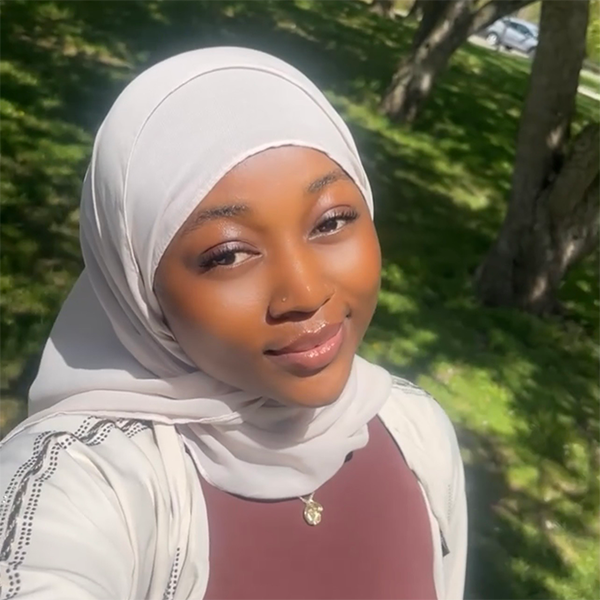
HIU alum ‘26