
How Multicultural and Interreligious Contexts Are Transforming Faith Leadership
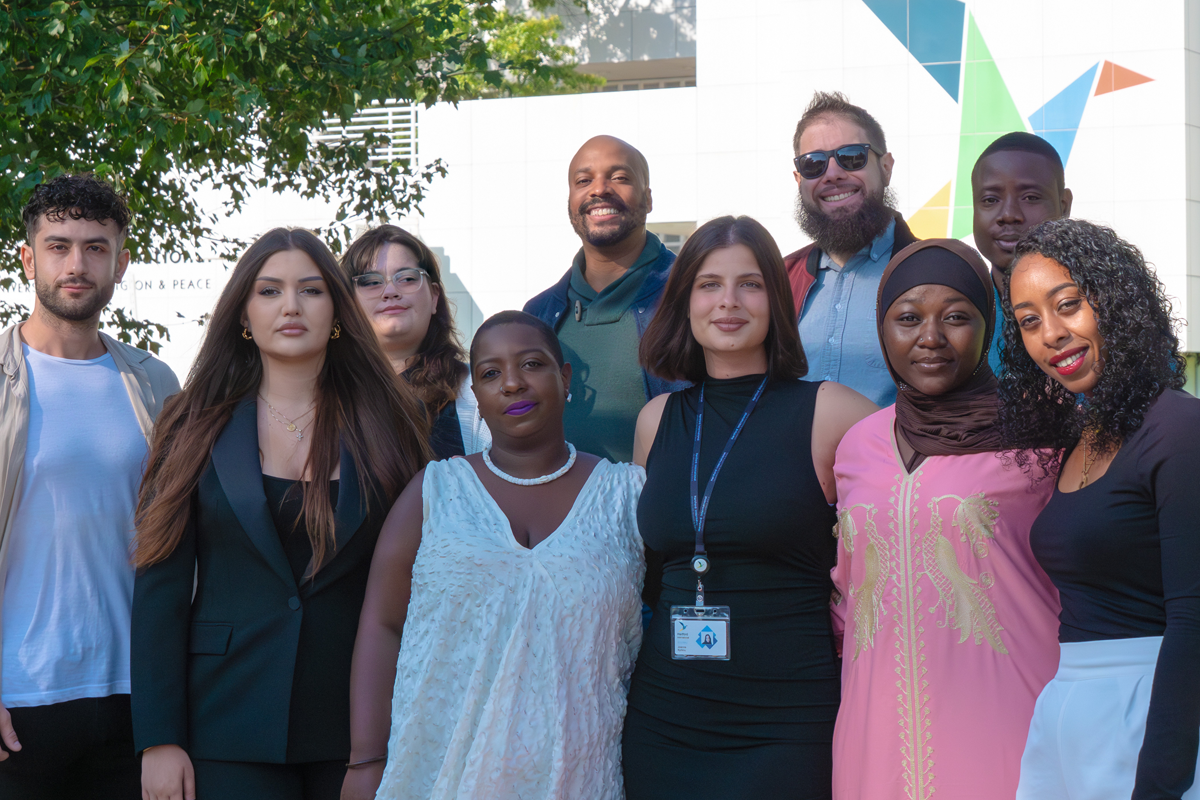
Faith communities around the world are becoming more culturally diverse, interconnected, and globally aware than ever before. Whether in churches, mosques, synagogues, temples, third spaces, or interfaith centers, religious leaders are guiding communities shaped by multiple languages, ethnicities, cultures, and lived experiences.
Faith leadership in this reality requires more than goodwill or experience. It demands theological depth, cultural humility, and the ability to help people approach difference not as a threat, but as a sacred opportunity for growth.
A Changing Religious and Cultural Landscape
In the United States, religious identity and spiritual expression continue to evolve. According to the Pew Research Center’s 2023-24 Religious Landscape Study, roughly seven in ten Americans identify with a faith tradition, with growing representation from non-Christian religions such as Judaism, Islam, Buddhism, and Hinduism.
Many of these communities include first- and second-generation immigrants who bring new languages, music, and cultural expressions into religious life. Nearly one in three Americans now attends services in a community where they are not part of the racial or ethnic majority, reflecting the increasingly multicultural nature of religious spaces.
Faith identity itself is also shifting. Roughly 35% of U.S. adults no longer identify with the faith in which they were raised. That’s nearly 90 million people who have redefined or reconstructed their relationship with religion. At the same time, the number of people who identify as spiritual but not religious continues to grow, pointing to forms of meaning-making beyond traditional institutional boundaries.
Yet religion and spirituality remain deeply present in American life. Nearly two-thirds of U.S. adults say religion is at least somewhat important to them. Even among religiously unaffiliated adults, many report spending time reflecting on God, faith, or life’s deeper questions. Two-thirds of those who identify as “nothing in particular,” along with more than half of agnostics, say they believe in something spiritual beyond the natural world.
Even within religious traditions, beliefs and practices are evolving. Many communities are reassessing long-held teachings through lenses of inclusion, justice, and personal conscience. Among U.S. Catholics, for example, most say they prefer a more inclusive church, even if that means revisiting traditional doctrines.
Among weekly Mass-attending U.S. Catholics, Pew reports:
- 72% say the Church should allow Catholics to use birth control
- 71% support IVF
- 59% believe unmarried couples living together should be able to receive Communion
- About half favor ordaining women as deacons, allowing priests to marry, and permitting priests to bless same-sex couples
Additionally, nearly half of LGBTQ+ adults identify with a religion. While many remain cautious of religious institutions, most affirm the positive role that faith communities play in bringing people together (69%) and serving those in need (63%).
How Faith Communities are Changing
The Hartford Institute for Religion Research’s “Exploring the Pandemic Impact on Congregations” study shows that congregations are no longer defined primarily by size or denomination. Instead, people increasingly prioritize “fit,” or the sense of spiritual belonging they feel when entering a community.
Key findings highlight significant shifts:
- 63% of new churchgoers chose their community because its beliefs and values aligned with their own, outweighing denominational ties, location, or programs.
- 46% attend multiple communities, both online and in person, a practice almost unheard of before the pandemic.
The pandemic revealed both resilience and vulnerability within congregational life. Communities that embraced innovation, technology, cultural openness, and flexibility have flourished. Those resistant to change continue to struggle.
Faith leaders increasingly recognize that preaching and programming alone are no longer enough. Their work now centers on interpreting tradition with renewed relevance for the world today, helping people experience a faith that is both deeply rooted and meaningfully alive.
One truth stands out: people are hungry for authenticity. They seek spiritual leaders and institutions that embody their values, speak to their lived realities, and create spaces where every person feels seen and welcomed.
Leading Faith Communities in a Diverse World
Most faith communities still gather primarily within their own traditions. Muslims worship with Muslims, Jews with Jews, Christians with Christians, and so on. While religious diversity within a single house of worship remains uncommon, cultural diversity within these spaces continues to grow.
Faith leaders now serve communities that share a belief system but not always a common culture. An imam may lead prayer in a mosque for believers from across the globe, united in faith yet diverse in culture and ethnicity. A rabbi may address a synagogue shaped by multiple generations with varying social realities and spiritual expectations. Likewise, a Presbyterian minister may preach to a congregation formed by varied life experiences, always interpreting scripture through Christian theology and ritual.
In every case, faith leaders are called to interpret sacred texts and practices in ways that remain faithful to tradition while responsive to contemporary life. Doing so requires theological depth, cultural fluency, and awareness of the broader interreligious context in which all faith communities now exist.
The Interreligious Dimension of Modern Faith Leadership
The future of faith leadership is intercultural, deeply relational, and profoundly complex. Across traditions, communities are navigating new questions of identity, belonging, and belief.
Effective faith leadership today calls for:
- Theological depth to interpret tradition in pluralistic contexts
- Cultural humility to engage difference with empathy and respect
- Transformative leadership grounded in compassion, integrity, and self-awareness
While most faith leaders serve within their own traditions, they no longer lead in isolation. Collaboration across lines of belief, through social justice efforts, community partnerships, crisis response, and moral dialogue, is increasingly common.
Interreligious engagement strengthens rather than dilutes faith identity. As Hartford International University puts it: Exploring Differences, Deepening Faith. Learning alongside peers from other traditions allows faith leaders to gain fresh insight into their own theology while building relationships rooted in mutual respect.
Why Advanced Theological Formation Matters
Good intentions alone are not enough in today’s multicultural, interreligious landscape. Faith leaders need advanced formation that integrates theology, practice, and intercultural awareness — not as abstract ideals, but essential tools for serving communities grounded in peace, justice, and belonging.
To serve effectively, faith leaders must learn to:
- Engage diverse communities with humility and conviction
- Balance clarity of belief with compassion in practice
- Lead courageously through difference and complexity
- Interpret scripture and tradition through lenses of justice, inclusion, and dignity
The goal is not uniformity, but understanding, cultivating spaces where every identity is honored and every voice respected.
How HIU’s Doctor of Ministry Program Prepares Faith Leaders for a Diverse Future
The Doctor of Ministry (D.Min.) program at Hartford International University for Religion & Peace equips pastors, imams, rabbis, chaplains, educators, and other practicing spiritual leaders to meet this moment with wisdom, depth, and compassion.
HIU’s D.Min. program empowers students to integrate advanced theological reflection with real-world leadership practice through rigorous scholarship within a global, interreligious learning community.
The D.Min. program helps practicing faith leaders:
- Deepen understanding of their own faith through dialogue with others
- Develop inclusive leadership practices that honor cultural & theological diversity
- Navigate interreligious and cross-cultural challenges with pastoral & intellectual skill
- Lead transformative change grounded in reflection, empathy, and awareness
Graduates emerge as bridge-builders across traditions, cultures, and generations: leaders who model unity without uniformity, conviction with compassion, and peace grounded in mutual respect. In a world where diversity is a given, HIU prepares faith leaders to see it as a gift.